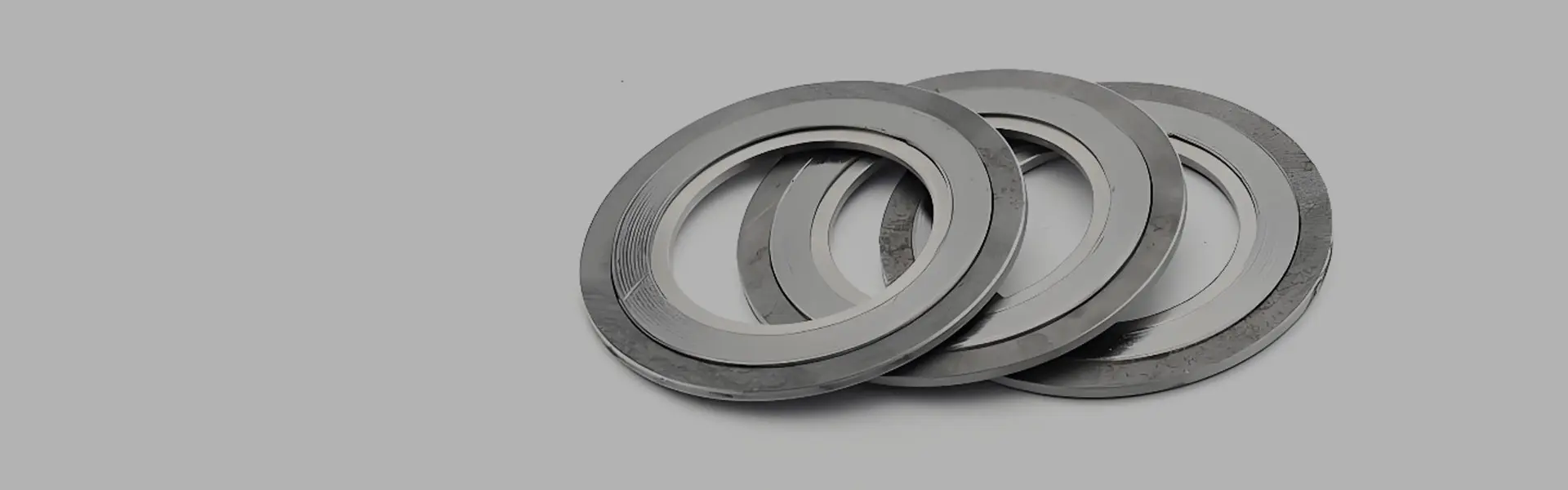
As a procurement professional sourcing components for a critical hydraulic system, you've likely encountered both molded packing rings and O-rings. On the surface, they might seem similar, but specifying the wrong one can lead to leaks, downtime, and costly repairs. So, what is the difference between molded packing rings and O-rings? The core distinction lies in their design, application pressure, and sealing mechanism. Understanding this is crucial for selecting the right seal to ensure system reliability and performance. Ningbo Kaxite Sealing Materials Co., Ltd. specializes in manufacturing high-performance sealing solutions that directly address these selection challenges, providing the right product for your specific pressure and media needs.
The High-Pressure Hydraulic Nightmare: Leaks and System Failure
You've just installed seals in a new high-pressure hydraulic piston pump. Weeks later, reports come in of fluid leaks and a drop in system pressure. The culprit? Using a standard O-ring where a Molded Packing Ring was required. In static or low-pressure dynamic applications, O-rings are excellent, creating a seal via radial squeeze. However, in high-pressure dynamic situations like reciprocating rods or rotating shafts, this squeeze can lead to extrusion into gaps, spiraling, and eventual failure. This is a common procurement pain point: a seal that works in one assembly fails catastrophically in another, leading to unplanned downtime and warranty claims.
The solution lies in understanding the superior design of molded packing rings for such demanding roles. Unlike a simple torus shape, packing rings are engineered with profiles like V-rings, U-cups, or composite sets. These shapes are specifically designed to handle extreme pressure. The sealing lip activates under system pressure, creating a more robust seal that actually improves with increased pressure. For a procurement specialist, partnering with a manufacturer like Ningbo Kaxite Sealing Materials Co., Ltd. is key. They don't just sell seals; they provide application engineering support to ensure you select a packing ring designed to withstand your system's specific PSI, preventing extrusion and ensuring long-term reliability.
Parameter
Standard O-ring (for reference)
Molded Packing Ring (e.g., Kaxite U-cup)
Primary Use Case
Static sealing, low-pressure dynamic
High-pressure dynamic/reciprocating motion
Pressure Handling
Good for low/medium pressure
Excellent for very high pressure
Anti-Extrusion
Requires backup rings at high pressure
Inherent design resists extrusion
Sealing Mechanism
Radial compression
Pressure-activated lip seal
Choosing the Wrong Seal for Dynamic Applications
Imagine procuring seals for a fleet of industrial cylinders. The initial cost of O-rings is attractive, but field reports soon show excessive wear and short service life. The seals are wearing out quickly under continuous reciprocating motion, leading to frequent maintenance cycles and high total cost of ownership. This scenario highlights a critical error: applying a seal meant primarily for static containment to a demanding dynamic application. The friction and wear characteristics are not optimized, resulting in premature failure.
This is where the material and design expertise of a specialized supplier becomes invaluable. Molded packing rings from Ningbo Kaxite Sealing Materials Co., Ltd. are not just different shapes; they are crafted from compounds engineered for dynamic duty. Materials like polyurethane or PTFE blends offer superior wear resistance, lower friction, and better compatibility with dynamic motion. The geometry of a packing ring is also designed to maintain lubrication and minimize wear. By specifying the correct packing ring, you solve the immediate problem of frequent failure and address the larger procurement goal of reducing lifecycle costs and improving machine uptime.
Parameter
Standard O-ring (for reference)
Molded Packing Ring (e.g., Kaxite V-ring)
Friction & Wear
Higher friction, faster wear in dynamics
Optimized for low friction and long wear life
Service Life in Motion
Shorter
Significantly longer
Total Cost of Ownership
Higher (due to replacement frequency)
Lower
Application Complexity
Simple gland design
May require specific gland design
Frequently Asked Questions on Seal Selection
Q: What is the most fundamental difference between molded packing rings and O-rings?
A: The most fundamental difference is in their sealing mechanism and ideal application. An O-ring seals through radial compression (squeeze) within a gland and is best for static or low-pressure dynamic sealing. A molded packing ring, such as a U-cup or V-ring, typically uses a pressure-activated lip. System pressure pushes the lip against the mating surface, creating a seal that often becomes more effective as pressure increases. This makes packing rings the superior choice for high-pressure dynamic applications like hydraulic cylinders.
Q: Can I simply replace an O-ring with a molded packing ring if I'm having pressure problems?
A: Not directly. While a packing ring might solve the pressure issue, they often require a different gland (housing) design than a standard O-ring groove. Swapping them without redesigning the component can lead to improper function or installation damage. For a reliable upgrade, consult with an engineering-focused supplier like Ningbo Kaxite Sealing Materials Co., Ltd. They can recommend not only the correct packing ring material and profile but also advise on any necessary gland modifications to ensure optimal performance and longevity.
Selecting the right seal is more than a line item on a bill of materials; it's a critical decision impacting operational efficiency and cost. We hope this guide has clarified the key differences to inform your next procurement decision. Have you faced challenges in choosing between packing rings and O-rings for a specific application? Share your experience or reach out with your technical questions.
For expert guidance and high-performance sealing solutions, consider Ningbo Kaxite Sealing Materials Co., Ltd. As a specialized manufacturer, Kaxite provides not just products but application-specific support, helping procurement professionals and engineers solve complex sealing challenges with reliable molded packing rings, O-rings, and custom profiles. Visit https://www.kxt-sealing.com to explore their capabilities or contact their team directly at [email protected] for a consultation.
Patel, R. K., 2018, "Comparative Analysis of Elastomeric Seal Performance in Dynamic Hydraulic Applications," Journal of Tribology, Vol. 140, No. 3.
Zhang, L. and Schmidt, F., 2020, "Finite Element Modeling of U-Cup Seal Behavior Under High Pressure," Sealing Technology, Issue 5.
Johnson, M. T., et al., 2019, "Wear Mechanisms in Polyurethane Hydraulic Seals," Wear, Vol. 426-427.
Kawashima, Y., 2021, "The Effect of Gland Design on O-ring Extrusion Failure," International Journal of Fluid Power.
Chen, H., 2017, "Material Advancements in PTFE Composite Seals for Aggressive Media," Polymer Engineering & Science, Vol. 57, No. 8.
Osterland, S. and Thomas, P., 2022, "Pressure-Activated Sealing Mechanisms: A Review," Proceedings of the Institution of Mechanical Engineers, Part J.
Miller, G. A., 2016, "Predicting Service Life of Reciprocating Hydraulic Seals," Lubrication Engineering, Vol. 52, No. 4.
Sanchez, A. R., 2020, "Friction Characteristics of Different Seal Profiles in Rotary Applications," STLE Tribology Transactions, Vol. 63, No. 2.
Li, W., 2019, "Thermal Degradation and Its Impact on Elastomer Seal Performance," Journal of Applied Polymer Science, Vol. 136, Issue 25.
Brown, K. L., 2018, "Cost-Benefit Analysis of Seal Selection for Industrial Machinery," Maintenance Engineering Journal, Issue 12.
We use cookies to offer you a better browsing experience, analyze site traffic and personalize content. By using this site, you agree to our use of cookies. Privacy Policy