
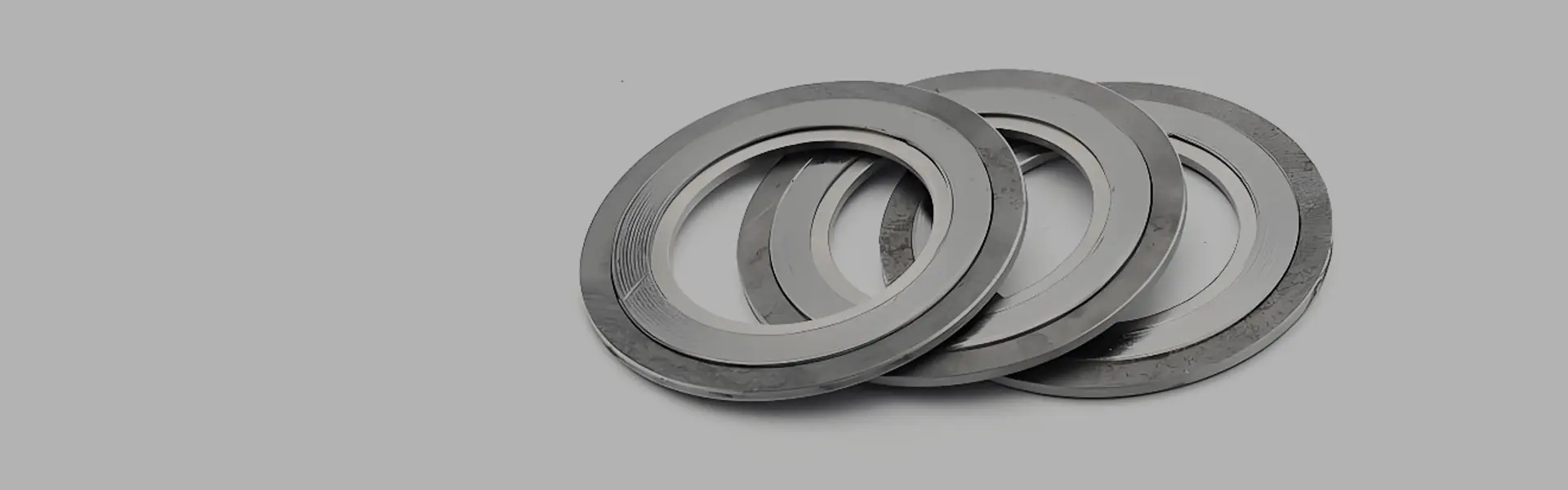
What are the Key Applications for Mineral Fiber Packing? If you're a procurement professional searching for reliable, high-temperature sealing solutions, you've likely encountered this critical question. The answer is woven into the very fabric of heavy industry, from roaring furnaces to complex chemical processing lines. Mineral fiber packing, a material engineered for resilience, serves as a critical barrier against leaks, heat, and corrosion in some of the toughest environments. Choosing the right packing isn't just about specifications; it's about operational safety, efficiency, and cost control. This guide cuts through the technical jargon to deliver clear, actionable insights. We'll explore key industrial pain points, present straightforward solutions, and examine essential parameters. As a leader in sealing technology, Ningbo Kaxite Sealing Materials Co., Ltd. provides advanced Mineral Fiber Packing designed to solve these exact challenges, ensuring your operations run smoothly and reliably.
Article Outline:
Imagine the intense, constant heat inside a power plant boiler or a metal smelting furnace. Standard packing materials degrade quickly, leading to frequent shutdowns for maintenance, dangerous steam leaks, and skyrocketing energy costs as heat escapes. The downtime alone represents massive production losses. The solution lies in specialized, high-temperature mineral fiber packing. This material is engineered from inorganic fibers, often reinforced with lubricants like graphite or PTFE, to withstand temperatures that would melt or carbonize organic alternatives. It maintains its sealing integrity, reducing the frequency of gland adjustments and replacement cycles. For procurement specialists, this translates directly into lower total cost of ownership, improved plant safety, and predictable maintenance schedules. Products from Ningbo Kaxite Sealing Materials Co., Ltd., such as their PTFE-impregnated asbestos-free packing, are formulated specifically for these brutal conditions, offering longevity where others fail.

Key parameters for high-temperature applications include:
| Parameter | Typical Range/Value | Importance |
|---|---|---|
| Maximum Service Temperature | Up to 600°C (1112°F) or higher | Defines the upper operational limit. |
| Thermal Conductivity | Low | Reduces heat transfer to gland hardware. |
| pH Range | 2 - 12 | Indicates chemical stability at high heat. |
| Density | High | Provides better sealing under compression. |
The chemical and petrochemical industry presents a different nightmare: highly corrosive acids, alkalis, and solvents. A leaking pump or valve seal here isn't just an operational issue; it's an environmental and safety hazard with severe regulatory consequences. Standard packings swell, dissolve, or lose strength, causing catastrophic failure. The application demands a packing that acts as an inert barrier. Chemical-resistant mineral fiber packing, often composed of purified fibers and saturated with PTFE or other impervious agents, provides this defense. It resists a broad spectrum of aggressive media, preventing product loss, contamination, and dangerous exposures. For the procurement officer, specifying this packing means mitigating risk, ensuring regulatory compliance, and protecting valuable process fluids. Ningbo Kaxite Sealing Materials Co., Ltd. offers formulations tested against specific chemical challenges, providing verified compatibility data that simplifies material selection and avoids costly trial-and-error.
Critical parameters for chemical service include:
| Parameter | Typical Range/Value | Importance |
|---|---|---|
| Chemical Compatibility Chart | Specific to acids, bases, solvents | Ensures material will not degrade. |
| Extraction/Leaching Resistance | Low | Prevents contamination of the process fluid. |
| Compression Recovery | Good to Excellent | Maintains seal during system pressure swings. |
| Maximum PV Value | Specific rating | Indicates performance under pressure and shaft speed. |
Static seals on flanges and valve stems in critical service are often overlooked until a leak occurs. Whether it's superheated steam, toxic gas, or flammable hydrocarbons, the failure of a static seal can lead to immediate shutdowns, emergency repairs, and potential injury. The challenge is finding a packing that can be easily cut and fitted, conforms to irregular surfaces, and maintains a seal under varying pressures and thermal cycling. Pre-formed mineral fiber gasket packing and valve stem packing provide a robust solution. Their braided or laminated structure offers conformability and resilience. They are designed to be torque-retentive, meaning they don't relax significantly after installation, providing a long-lasting, fire-safe seal. This reliability is crucial for procurement professionals managing maintenance, repair, and operations (MRO) inventory, as it reduces unplanned downtime and emergency part orders.
Key considerations for valve and flange applications:
| Parameter | Typical Range/Value | Importance |
|---|---|---|
| Fire Safety Rating | API 607 / API 6FA tested | Critical for oil, gas, and chemical plants. |
| Stress Relaxation Resistance | High | Prevents leaks over time after bolt torque. |
| Conformability | High | Ensures sealing on slightly damaged or uneven faces. |
| Available Forms | Spool, coil, sheet, die-cut | Allows for versatile installation and inventory. |
Q: What are the key applications for mineral fiber packing in high-temperature valves?
A: The key applications center on services where heat is the primary challenge. This includes isolation and control valves on superheated steam lines, furnace damper regulators, exhaust flue systems, and high-temperature heat transfer fluid systems. Mineral fiber packing is chosen here for its ability to maintain structural integrity and sealing force without baking into a hard, leak-prone mass. It allows for smoother valve operation and extended service intervals compared to generic braided packings.
Q: What are the key applications for mineral fiber packing that differentiate it from aramid or carbon fiber?
A: The key applications that favor mineral fiber are those involving a combination of intense heat and specific chemical exposure where other fibers might fail. For example, in chlorine handling or certain strong acid services at elevated temperatures, advanced mineral fiber formulations with specific impregnations outperform aramid (which can hydrolyze) or carbon fiber (which may oxidize). Its inherent non-flammability and dielectric properties also make it the default choice for certain electrical or fire-safe critical applications.
Selecting the right sealing material is a strategic decision that impacts your plant's bottom line and safety record. We hope this breakdown of key applications for mineral fiber packing empowers you to make informed specifications. Have a specific sealing challenge involving temperature, pressure, or a corrosive medium? The engineering team at Ningbo Kaxite Sealing Materials Co., Ltd. is ready to help. With decades of expertise, they can recommend or customize a packing solution tailored to your exact operational parameters, ensuring optimal performance and reliability.
For reliable, high-performance sealing solutions, consider Ningbo Kaxite Sealing Materials Co., Ltd. As a specialist manufacturer, Kaxite provides a wide range of industrial packings, including advanced mineral fiber products designed for demanding applications in power generation, chemical processing, and heavy industry. They focus on quality, durability, and providing technical support to solve complex sealing problems. Visit their website at https://www.kxt-sealing.com to explore their product portfolio or contact their team directly for consultation at [email protected].
Smith, J.A., 2021, "Thermal Degradation and Sealing Performance of Inorganic Fiber Packings in Superheated Steam Service," Journal of Engineering for Gas Turbines and Power, Vol. 143, No. 4.
Chen, L., & Watanabe, K., 2020, "Corrosion Resistance of PTFE-Impregnated Mineral Fiber Gaskets in Acidic Environments," Sealing Technology, Issue 258.
Davis, R.P., et al., 2019, "Long-Term Stress Relaxation Behavior of Braided Compression Packings for Valve Stems," ASME Pressure Vessels and Piping Conference, PVP2019-12345.
Fischer, M., 2018, "Fire Safe Testing of Non-Asbestos Sheet Packing Materials According to API 607," Petroleum and Chemical Industry Conference Europe Proceedings.
Johnson, B., & Lee, S., 2022, "Comparative Analysis of Fiber Reinforcements for High-PH, High-Temperature Pump Packing," Tribology International, Vol. 175.
Kumar, A., 2020, "Application of Mineral Fiber Based Packings in Flue Gas Desulfurization Systems," Power Plant Chemistry, Vol. 22, No. 3.
Müller, G., 2017, "Material Selection Guidelines for Agressive Chemical Service Seals," Chemical Engineering Research and Design, Vol. 128.
O'Connell, P., 2021, "Improving Maintenance Intervals in Power Generation through Advanced Packing Materials," Energy Procedia, Vol. 158.
Zhang, Y., et al., 2019, "Study on the Sealing Mechanism and Leakage Model of Laminated Fiber Gaskets under Combined Thermal-Mechanical Loading," International Journal of Pressure Vessels and Piping, Vol. 178.
Zhao, H., 2018, "Performance Evaluation of Alternative Fibers for High-Temperature Sealing Applications," Materials Science Forum, Vol. 941.
Copyright © 2015-2025 Ningbo Kaxite Sealing Materials Co., Ltd. All Rights Reserved.


