
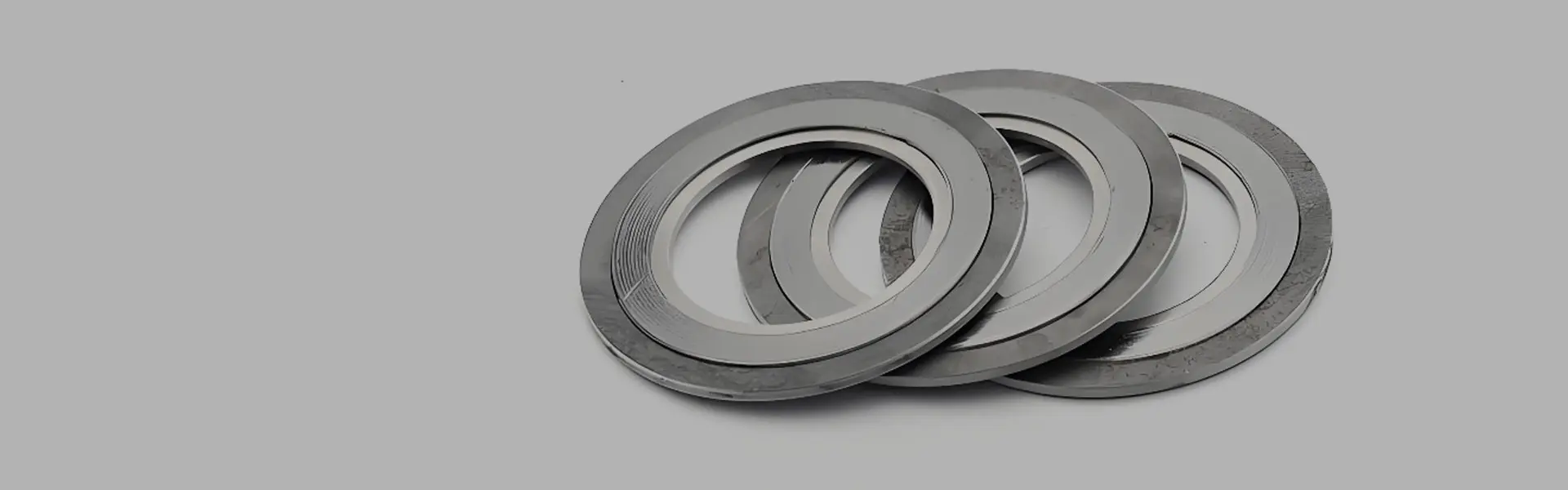
In the demanding world of industrial sealing, Graphite Packing stands out as a premier solution for high-temperature and high-pressure applications. Engineered for reliability and longevity, this advanced sealing material is indispensable in sectors where failure is not an option. Its unique composition and properties make it the go-to choice for preventing leaks, reducing maintenance downtime, and ensuring operational safety. This guide delves into the specifics of Graphite Packing, focusing on the technical excellence of Kaxite's product line, to help you make an informed decision for your critical sealing needs.
Kaxite Graphite Packing is meticulously manufactured using high-purity, reinforced exfoliated graphite. It is designed to deliver exceptional performance under extreme conditions. Below is a detailed breakdown of its core specifications and features.
| Property | Test Method | Typical Value (Kaxite Standard Grade) | Units |
|---|---|---|---|
| Carbon Content | ASTM D5617 | > 98.5% | % |
| Compression Recovery | ASTM F36 | > 40% | % |
| Thermal Conductivity | ASTM D5470 | 50 - 120 | W/m·K |
| Coefficient of Friction | ASTM D1894 | 0.08 - 0.15 | - |
| Leakage Rate (Helium) | ASME PTC 19.3 TW | < 1 x 10⁻⁴ | std cm³/sec |
| Oxidation Loss (500°C/24hrs) | In-house | < 2.0% | % Weight Loss |
| Tensile Strength (Reinforced) | ASTM F152 | > 15 | MPa |
Selecting Kaxite Graphite Packing brings a host of operational and economic benefits to your facility:
Q: What are the most common applications for graphite packing?
A: Graphite packing is extensively used in challenging applications across industries. Common uses include sealing centrifugal and reciprocating pump shafts, valve stems in refineries and chemical plants, agitators in reactors, expansion joints in high-temperature ducting, and in equipment handling superheated steam, hot oils, acids, alkalis, and aggressive solvents. Its versatility makes it suitable for both rotating and static sealing duties.
Q: How does Kaxite Graphite Packing compare to traditional braided fiber packings?
A: Kaxite Graphite Packing offers significant advantages. It operates effectively at much higher temperatures (exceeding 600°C vs. typically 260-288°C for aramid/PTFE). It is chemically inert across a broader pH range, while many organic fibers degrade in strong acids or bases. Graphite is self-lubricating, reducing stem friction and wear, whereas fiber packings often require external lubricants that can wash away. Lastly, graphite does not harden, preventing shaft scoring—a common failure mode with some hardened fibrous packings.
Q: Is graphite packing suitable for high-speed pump applications?
A: While excellent for many services, pure flexible graphite packing has lower tensile strength compared to densely braided styles. For high-speed applications, Kaxite offers reinforced graphite packings, which incorporate a corrosion-resistant metal wire (like Inconel) or filament core. This reinforcement provides the necessary structural integrity and resistance to extrusion, making it suitable for higher surface speeds and more dynamic service conditions.
Q: How do I properly install graphite packing rings?
A: Correct installation is critical. Ensure the stuffing box, shaft, and old packing are clean and free of debris. Rings should be cut using the “wrap-and-shear” method on a mandrel of the exact shaft diameter for a precise fit. Stagger the ring joints by 90 degrees around the shaft. Use a proper stuffing box tool to tamp each ring firmly and evenly. Follow the manufacturer's torque specifications during initial gland tightening—avoid over-tightening. A slight leakage is normal during the initial run-in period to lubricate and condition the packing.
Q: Can graphite packing be used in food, pharmaceutical, or ultra-pure water applications?
A: Standard industrial graphite packing is generally not recommended for these sensitive applications due to potential contamination from graphite particles or metal reinforcement. However, Kaxite can supply high-purity, specially treated graphite grades with FDA-compliant materials for incidental food contact or nuclear-grade purity for critical water systems. It is essential to consult with our technical team to specify the correct, contamination-free grade for such uses.
Q: What are the signs that my graphite packing needs replacement?
A: Indicators include a persistent increase in leakage that cannot be controlled by reasonable gland adjustment, excessive heat generation at the stuffing box, visible physical degradation or extrusion of the packing material, or a scheduled maintenance overhaul. Proactive replacement based on operating hours or condition monitoring is often more cost-effective than waiting for a complete failure.
Q: Does Kaxite offer custom graphite packing solutions?
A: Absolutely. Kaxite specializes in engineering custom sealing solutions. We can manufacture graphite packing in non-standard sizes, densities, and cross-sections (square, rectangular, round). We also offer custom reinforcement with specific metal alloys, composite laminates with other materials, or special foil wrapping to meet unique pressure, temperature, and chemical compatibility requirements for OEM or specialized retrofit applications.
Kaxite Graphite Packing is a critical component in maintaining safety and efficiency across a diverse range of heavy industries:


Copyright © 2015-2025 Ningbo Kaxite Sealing Materials Co., Ltd. All Rights Reserved.


