
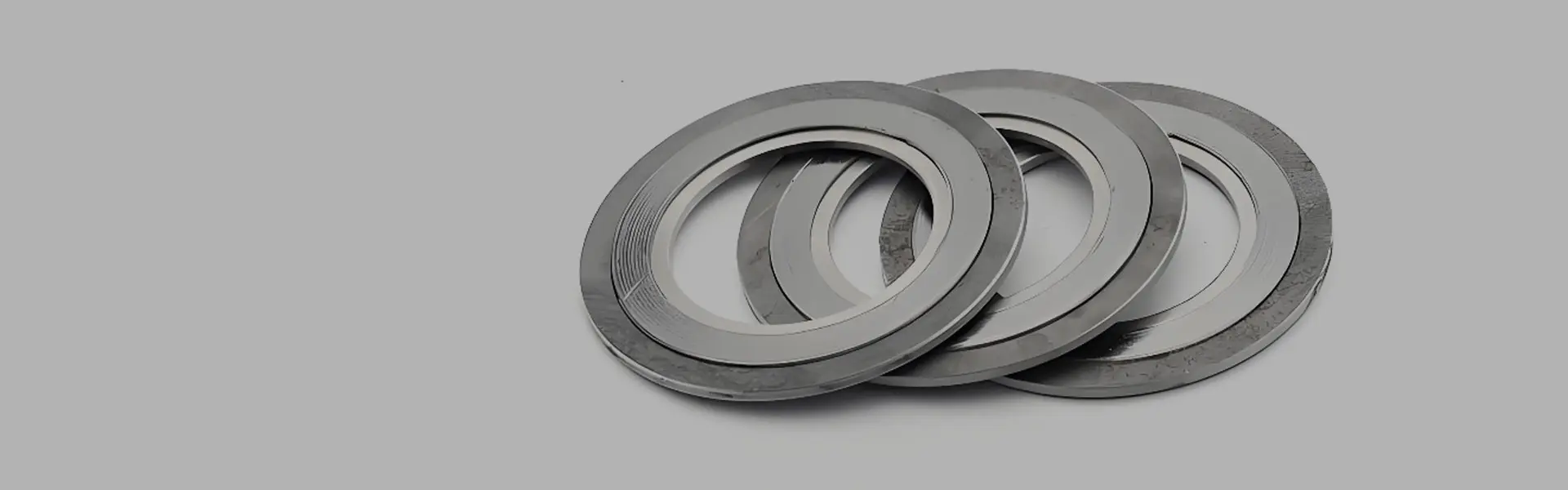
In the intricate world of industrial machinery, automotive systems, plumbing networks, and countless other applications, there exists a critical component that, while often small and unseen, plays a monumental role in operational integrity and safety: the Rubber Gaskets. These precision-engineered sealing elements are designed to fill the space between two or more mating surfaces, preventing the escape or ingress of fluids, gases, dust, and environmental contaminants. At Kaxite, we have dedicated decades to mastering the science and art of gasket manufacturing, understanding that the right seal can mean the difference between peak performance and catastrophic failure. A high-quality gasket ensures leak-proof connections, compensates for surface irregularities, absorbs vibrations, and provides resilience against thermal expansion and chemical exposure. From the demanding environment of a chemical processing plant to the precise assembly of medical devices, selecting the correct rubber gasket is not a mere detail—it is a fundamental engineering decision.
Kaxite stands at the forefront of sealing technology, offering a comprehensive portfolio of rubber gaskets engineered for excellence. Our commitment transcends mere product supply; we provide sealing solutions backed by 20 years of expertise in material science and application engineering. What sets Kaxite apart is our holistic approach:
Choosing Kaxite means partnering with a supplier who understands that reliability, durability, and performance are non-negotiable in your operations.
To make an informed selection, it is crucial to understand the key parameters that define a rubber gasket's performance. Below is a detailed breakdown of the specifications for our standard Kaxite gasket lines. These parameters can be tailored for custom orders.
| Material Type (ASTM D1418 Designation) | Temperature Range | Hardness (Shore A) | Key Resistance Properties | Typical Applications |
|---|---|---|---|---|
| Nitrile Rubber (NBR) | -40°C to +120°C (-40°F to +248°F) | 40 - 90 | Excellent resistance to oils, fuels, and hydrocarbons. Good abrasion resistance. | Automotive fuel systems, oil refineries, hydraulic equipment. |
| Ethylene Propylene Diene Monomer (EPDM) | -50°C to +150°C (-58°F to +302°F) | 30 - 90 | Superior weather, ozone, steam, and water resistance. Good for polar fluids. | Cooling systems, plumbing seals, outdoor electrical enclosures, automotive weather-stripping. |
| Silicone Rubber (VMQ) | -60°C to +230°C (-76°F to +446°F) | 20 - 80 | Exceptional high & low-temperature stability. Good electrical insulation. Bio-compatible grades available. | Food & beverage processing, medical devices, aerospace, high-temperature gasketing. |
| Fluoroelastomer (FKM/Viton®) | -20°C to +205°C (-4°F to +401°F) | 55 - 90 | Outstanding resistance to high temperatures, oils, fuels, acids, and aggressive chemicals. | Chemical processing, semiconductor manufacturing, fuel injection systems, aerospace. |
| Neoprene (CR) | -40°C to +100°C (-40°F to +212°F) | 40 - 80 | Good all-purpose resistance to weather, ozone, moderate oils, and flame. | HVAC systems, marine applications, gaskets for mild chemical exposure. |
Q: What is the primary function of a rubber gasket?
A: The primary function of a rubber gasket is to create a static seal between two stationary, mating surfaces. It fills microscopic imperfections and voids in these surfaces, thereby preventing the leakage of liquids or gases and blocking the entry of external contaminants. It also can absorb mechanical vibration, accommodate minor misalignment, and provide electrical insulation in some applications.
Q: How do I select the right rubber material for my gasket application?
A: Selecting the right material is a systematic process. You must analyze the application's operating environment by considering these factors in order: 1) Media Compatibility: What fluid or gas will the gasket contact? Check chemical resistance charts for the elastomer. 2) Temperature Range: Both continuous and peak temperatures. 3) Pressure: Static pressure the seal must withstand. 4) Application Requirements: Consider factors like UV exposure, ozone, regulatory compliance (FDA, USP Class VI, etc.), and compression set needs. Kaxite's technical team can provide detailed guidance based on your specific parameters.
Q: What is the difference between a gasket and an O-ring?
A: Both are seals, but their design and application differ. A gasket is typically a flat, formed sheet or a custom-cut shape designed to seal between two flat or flanged surfaces (like pipe flanges or gearbox covers). An O-ring is a torus (doughnut-shaped) seal designed to fit into a machined groove and create a seal by radial compression in dynamic (moving) or static applications. Gaskets are generally used for larger, flatter interfaces, while O-rings are used in pistons, rods, and hydraulic fittings.
Q: Why did my rubber gasket fail prematurely?
A: Premature failure can stem from several root causes: Chemical Incompatibility: Swelling, shrinkage, or cracking due to fluid exposure. Excessive Temperature: Leading to hardening, cracking, or permanent compression set. Improper Installation: Under-torquing (leaks) or over-torquing (extrusion or crushing) of fasteners. Incorrect Gasket Design: Using a material with insufficient recovery (high compression set) for the application. Environmental Attack: Degradation from ozone, UV light, or weathering. A failure analysis by Kaxite can often pinpoint the exact cause.
Q: Can Kaxite manufacture custom-shaped gaskets?
A: Absolutely. Custom gasket manufacturing is a core specialty at Kaxite. We can produce gaskets in virtually any 2D or 3D shape using techniques like precision die-cutting, waterjet cutting, laser cutting, and custom molding. The process begins with your drawing (CAD file preferred) and specifications. We then recommend the optimal material and manufacturing method to ensure performance, cost-effectiveness, and timely delivery for both prototype and production quantities.
Q: What does "compression set" mean, and why is it important?
A: Compression set is a measure of an elastomer's ability to return to its original thickness after being subjected to a compressive load for a prolonged period at a specific temperature. A low compression set percentage (e.g., 10-20%) is desirable, as it indicates the gasket will maintain its sealing force and not take a permanent set, thus preventing leaks over the service life of the assembly. A high compression set material will flatten and lose its sealing resilience.
Q: Are Kaxite rubber gaskets suitable for food and potable water applications?
A: Yes, Kaxite offers a range of compounds specifically formulated and certified for such applications. Our silicone and EPDM compounds, for example, can be manufactured to comply with FDA CFR 21.177.2600, NSF/ANSI 61 for potable water, and EU Regulation 10/2011 for food contact. These materials are non-toxic, odorless, and taste-neutral, making them ideal for food processing machinery, beverage dispensers, and plumbing seals.


Copyright © 2015-2025 Ningbo Kaxite Sealing Materials Co., Ltd. All Rights Reserved.


