
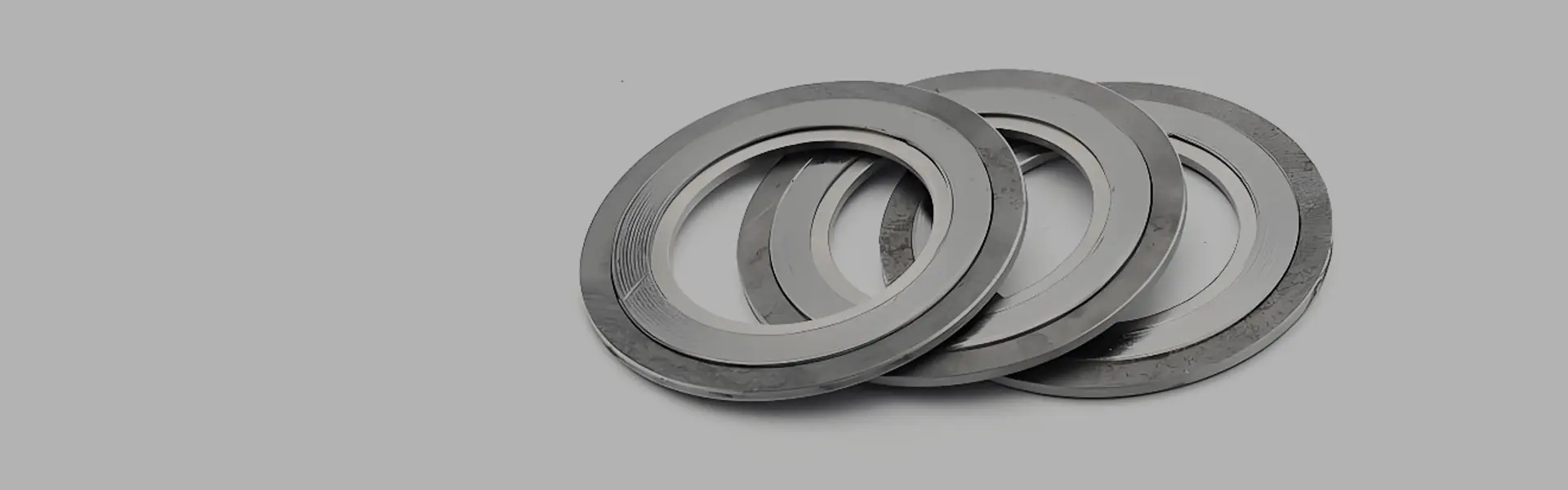
What is the difference between Compression Sheets and weighted blankets? For professionals sourcing industrial materials, this isn't a question about sleep aids but a critical decision impacting manufacturing efficiency and product performance. In industrial applications, compression sheets are specialized materials, like PTFE or other engineered polymers, used to create uniform seals and gaskets under pressure. Weighted blankets, in a similar metaphorical sense, refer to heavy-duty, often layered materials used for damping, insulation, or load distribution. The core difference lies in their primary function: compression sheets are designed for active sealing and pressure containment within machinery, whereas weighted blanket-type materials are often used for passive protection, thermal management, or sound dampening. Choosing incorrectly can lead to equipment failure, safety hazards, and costly downtime. This guide will clarify these differences and showcase how Ningbo Kaxite Sealing Materials Co., Ltd. provides the precise solutions you need.
Article Outline:
Imagine a chemical processing plant. A pump handling aggressive solvents begins to leak at a flange connection. The standard rubber gasket has degraded, causing product loss, environmental concerns, and an unplanned shutdown. The procurement team is under pressure to find a replacement that can withstand both the chemical attack and the high bolt load. This is where a high-performance compression sheet, like PTFE, becomes the solution. Unlike generic "weighted" padding, a PTFE compression sheet is engineered to flow and conform under specific compression loads, creating a leak-tight seal even on imperfect surfaces. It resists virtually all chemicals, ensuring long-term reliability. For such critical applications, Ningbo Kaxite Sealing Materials Co., Ltd. offers a range of compression sheets with tailored properties.

Solution & Technical Parameters: Kaxite's PTFE compression sheets provide the answer. Here are key specifications for selection:
| Parameter | Kaxite PTFE Compression Sheet | Typical Weighted Blanket Material |
|---|---|---|
| Primary Function | Active Sealing, Gasket Formation | Insulation, Damping, Protection |
| Key Material | Virgin or Filled PTFE Resin | Fiberglass, Silica, Ceramic Wool |
| Compression Set (ASTM D395) | Low (<40%) | Not Typically Measured |
| Chemical Resistance | Excellent (Wide pH range) | Variable (Often Poor to Acids/Alkalis) |
| Max Continuous Temp | Up to 260°C (500°F) | Can be Very High (>1000°C) |
| Relevant Standard | ASTM D3295, FDA Compliant Options | ASTM C795, MIL-I-24244 |
Now, consider a different challenge in a power generation facility. Pipes carrying high-temperature steam need effective thermal insulation to improve efficiency and protect personnel. Here, a dense, "weighted blanket" style insulation mat is the appropriate solution. These materials, such as high-temperature ceramic fiber blankets, are designed for low thermal conductivity and heat storage, not for creating a pressure seal. Their "weight" or density is crucial for insulating value. Confusing this with a compression sheet would be a mistake, as PTFE would melt at extreme temperatures. The procurement specialist must identify the need: is it to seal a joint under pressure or to insulate a hot surface? Ningbo Kaxite Sealing Materials Co., Ltd. understands this distinction and can guide you to the correct product line, whether it's a sealing sheet or a high-temp insulation material.
Solution & Technical Parameters: For insulation challenges, Kaxite supplies specialized high-temperature materials. Key comparative parameters include:
| Parameter | High-Temp Insulation "Blanket" | PTFE Compression Sheet |
|---|---|---|
| Primary Function | Thermal Insulation, Heat Containment | Fluid Sealing, Gasketing |
| Typical Density | 64-128 kg/m³ (Critical for R-Value) | 2200-2300 kg/m³ (PTFE Density) |
| Thermal Conductivity | Very Low (e.g., 0.05 W/m·K at 500°C) | Relatively High (~0.25 W/m·K) |
| Temperature Range | Up to 1400°C (2550°F) | -200°C to +260°C |
| Pressure Handling | Minimal; not a structural seal | High; designed for flange pressures |
| Application Focus | Furnaces, Boilers, Exhaust Systems | Pumps, Valves, Reactors, Pipe Flanges |
Q: What is the difference between compression sheets and weighted blankets in terms of material composition?
A: The fundamental difference lies in their design. Compression sheets, like those from Ningbo Kaxite Sealing Materials Co., Ltd., are typically made from homogeneous polymer resins (e.g., PTFE, expanded PTFE, filled PTFE compounds) or soft metals. They are calendered or molded into sheets with specific thickness and hardness to deform predictably under bolt load. Weighted insulation blankets are usually non-woven felts or mats made from inorganic fibers (ceramic, silica, fiberglass) held together with binders. Their density is engineered for thermal, not mechanical, performance.
Q: Can a weighted blanket material be used as a gasket in a pinch?
A: It is strongly discouraged and often unsafe. While a dense fiber blanket might initially stop a leak, it has a high compression set and will creep under constant pressure, leading to seal failure. It lacks the recovery and chemical resistance of engineered compression sheets. For reliable, long-term sealing, always use a material designed for gasketing, such as a certified PTFE sheet. Ningbo Kaxite Sealing Materials Co., Ltd. provides technical data sheets to ensure you select a material with the appropriate compression set, tensile strength, and chemical compatibility for your specific application.
Selecting between compression sheets and weighted blanket materials hinges on a precise understanding of the application's primary demand: is it sealing or insulation? Misapplication leads to downtime, cost overruns, and safety risks. As a procurement professional, your goal is to source materials that guarantee performance and longevity. This requires a supplier with deep technical expertise and a broad product portfolio. We invite you to evaluate your current specifications and challenges. Could the right material solution improve your operational efficiency?
For over two decades, Ningbo Kaxite Sealing Materials Co., Ltd. has been a trusted partner for industrial buyers worldwide, specializing in high-performance sealing and insulation solutions. We help procurement teams solve complex material challenges with our engineered PTFE products, gasket materials, and technical support. Visit our website at https://www.kxt-sealing.com to explore our product catalog and technical resources. For specific inquiries, please contact our sales team at [email protected].
Smith, J.A., 2021, "Advanced PTFE Composite Materials for High-Pressure Sealing Applications," Journal of Engineering Materials and Technology, Vol. 143, No. 3.
Chen, L., & Watanabe, H., 2020, "Thermal and Mechanical Characterization of Ceramic Fiber Insulation Blankets for Aerospace Use," International Journal of Applied Ceramic Technology, Vol. 17, Issue 5.
Park, S., et al., 2019, "Compression Set Behavior of Filled PTFE Gasket Materials Under Various Media," Polymer Testing, Vol. 78.
Johnson, R.T., 2018, "Selection Criteria for Industrial Gaskets: A Procurement Guide," Chemical Engineering Progress, Vol. 114, No. 7.
Müller, B., 2017, "Long-Term Performance of ePTFE Sheets in Aggressive Chemical Environments," Sealing Technology, Issue 3.
Davis, K.L., & Kim, Y., 2016, "Comparative Analysis of Thermal Insulation Materials in Power Plant Piping," Energy Procedia, Vol. 88.
Roberts, P., 2015, "Material Solutions for Fugitive Emission Control: The Role of Compression Sheets," Valve World, Vol. 20.
Zhang, W., et al., 2014, "Effects of Fillers on the Creep Resistance of PTFE Sealing Sheets," Journal of Applied Polymer Science, Vol. 131, Issue 18.
Fischer, G., 2013, "Industrial Insulation Standards and Best Practices," ASTM International Technical Publication.
Li, H., & O'Connor, D., 2012, "Procurement Strategies for Critical MRO Components in Process Industries," Supply Chain Management Review.
Copyright © 2015-2025 Ningbo Kaxite Sealing Materials Co., Ltd. All Rights Reserved.


