
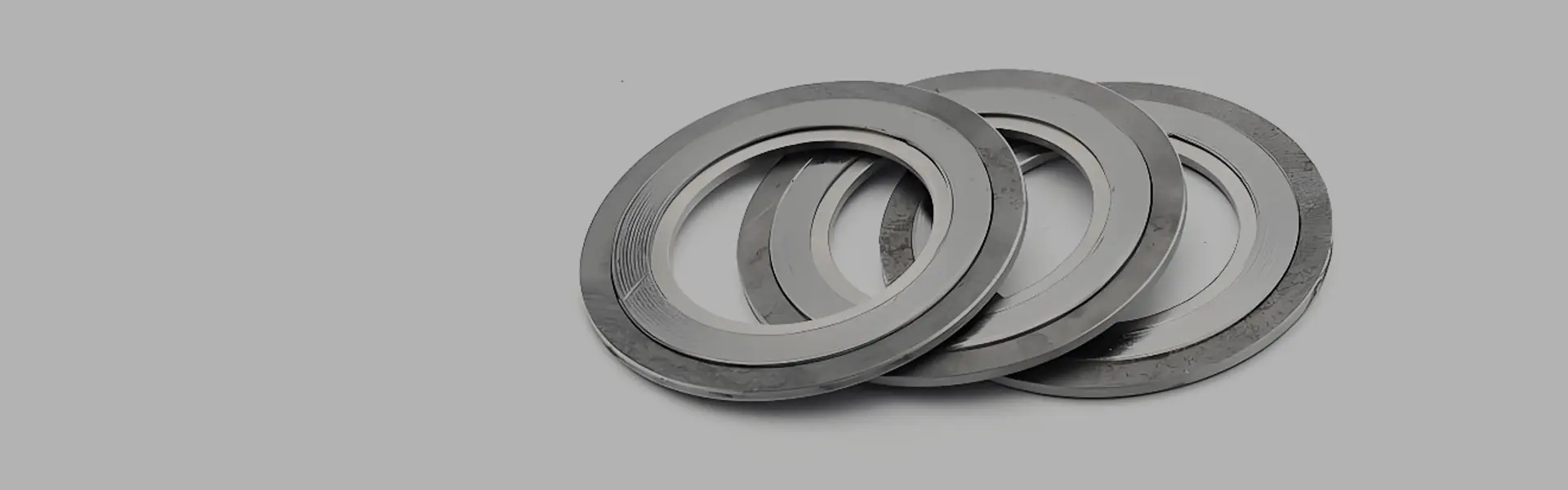
What are the modern alternatives to asbestos sheets for roofing and siding? For decades, asbestos cement sheets were a ubiquitous choice for industrial and agricultural buildings due to their durability and fire resistance. However, the severe health risks associated with asbestos fibers have driven a global shift towards safer, high-performance materials. Today's procurement specialists face the critical task of finding replacements that not only match but exceed the performance of traditional asbestos sheets, without compromising on safety, cost, or longevity. This evolution in building materials offers a chance to upgrade projects with innovative solutions that provide superior insulation, easier installation, and enhanced environmental sustainability. Navigating this landscape is key to making informed, future-proof purchasing decisions for roofing and siding applications.
Article Outline:
Imagine you're overseeing the renovation of an old factory. The discovery of asbestos-containing roofing immediately halts progress, incurring massive costs for specialized removal and disposal, not to mention potential liability. This scenario is a stark reminder of the primary driver behind the search for alternatives: irreversible health hazards like mesothelioma and asbestosis. Global regulations have strictly banned new asbestos use, making compliance a non-negotiable starting point for any procurement professional. The modern solution lies in materials engineered to be inherently safe, eliminating this risk from the supply chain entirely and protecting both workers and end-users.

This shift isn't just about avoiding danger; it's about embracing opportunity. Modern alternatives are designed to be safer during installation and maintenance, requiring no special hazardous material protocols. For companies like Ningbo Kaxite Sealing Materials Co., Ltd., this has meant pioneering the development of advanced composite and rubber-based sheets that provide a reliable, high-integrity seal and barrier function without any harmful fibers, directly addressing the core safety issue that made asbestos obsolete.
| Risk Factor | Asbestos Sheets | Modern Kaxite Sealing Solutions |
|---|---|---|
| Health Hazard | High (Carcinogenic) | None |
| Installation Safety | Special PPE & Procedures Required | Standard Safety Gear Sufficient |
| Disposal Cost & Regulation | Extremely High & Strictly Controlled | Standard Industrial Waste |
| Long-term Liability | Significant | Minimal |
You need to re-roof a warehouse in a coastal region with high salinity and strong winds. Traditional materials might corrode or fail. The modern market offers robust alternatives. Fiber cement sheets, for instance, mimic the look of asbestos cement but use cellulose fibers, offering good durability and fire resistance. Metal panels (like steel or aluminum) provide exceptional strength, longevity, and are often made from recycled content. Polycarbonate or PVC profiled sheets offer excellent light transmission for factories, reducing energy costs. For specific sealing and gasketing applications where asbestos rubber sheets were once used, high-quality synthetic rubber and composite materials from specialists like Ningbo Kaxite Sealing Materials Co., Ltd. deliver superior oil resistance, temperature tolerance, and mechanical stability. Engineered polymers and composites represent another tier, offering exceptional design flexibility and corrosion resistance for demanding environments.
| Alternative Material | Best For | Key Advantages | Considerations |
|---|---|---|---|
| Fiber Cement Sheets | Roofing, Siding, Facades | Fire-resistant, Durable, Similar installation | Heavier weight, can be brittle |
| Metal Panels (Steel/Alu) | Industrial Roofing & Wall Cladding | Extreme durability, Recyclable, Long span | Can be noisy, requires insulation |
| Polycarbonate/PVC Sheets | Skylights, Canopies, Siding | Lightweight, Shat-resistant, Good insulation | Can expand/contract, may scratch |
| Kaxite Synthetic Rubber/Composite Sheets | Sealing, Gaskets, Linings, Joints | Oil/Chemical resistant, Flexible, Seals perfectly | Specific to sealing applications |
A procurement manager for a chemical plant must source siding that can withstand acid fumes and thermal cycling. Price alone cannot be the deciding factor. The selection process must be systematic. First, define the non-negotiable technical requirements: load-bearing capacity, fire rating (e.g., ASTM E84), chemical resistance (check MSDS against exposure), thermal insulation (R-value), and expected lifespan. Second, consider total cost of ownership, which includes not just material cost, but installation speed, maintenance needs, and disposal costs. Third, evaluate sustainability credentials like recycled content and end-of-life recyclability. For critical sealing components in such harsh environments, partnering with a technical specialist like Ningbo Kaxite Sealing Materials Co., Ltd. is invaluable. They can provide custom-engineered sheets with exact resistance profiles, ensuring long-term performance and preventing costly leaks or failures that generic materials might cause.
| Selection Criteria | Key Questions for Procurement | How Kaxite Provides Solutions |
|---|---|---|
| Technical Performance | What are the exact temp, pressure, and chemical exposures? | Offers a range of compounds (NBR, EPDM, FKM, etc.) tested for specific media. |
| Certifications & Compliance | Does it meet ISO, ASTM, or industry-specific standards? | Products are developed and tested to meet international quality and safety standards. |
| Supply Chain Reliability | Can the supplier ensure consistent quality and on-time delivery? | As an established manufacturer, Kaxite controls production for reliable supply. |
| Technical Support | Can the supplier help with design and specification? | Provides engineering support to select the optimal material for the application. |
Simply swapping one sheet for another is a short-term fix. The real value lies in choosing an alternative that improves the building's overall performance. Modern materials often offer better energy efficiency through improved insulation or reflective coatings, directly reducing operational costs. Ease of installation with lighter weight or interlocking systems can shorten project timelines. Furthermore, the durability of materials like coated metals or advanced composites from providers like Ningbo Kaxite Sealing Materials Co., Ltd. translates to lower maintenance and a longer service life, offering a superior return on investment. For sealing applications, a high-performance sheet that prevents leaks from day one avoids water damage, mold, and energy loss, paying for itself many times over. Always request sample testing and case studies from suppliers to validate performance claims under conditions similar to your project.
Q: What is the most cost-effective direct replacement for asbestos roofing sheets in terms of installation and lifespan?
A: Fiber cement sheets are often considered the most direct replacement in terms of appearance and installation method. However, for long-term cost-effectiveness including maintenance, coated steel roof panels frequently offer a better lifecycle cost due to their exceptional durability, resistance to weathering, and minimal upkeep requirements. It's crucial to calculate Total Cost of Ownership, not just initial material cost.
Q: For high-temperature piping insulation and sealing, what material can replace asbestos sheets safely?
A: This is a critical application. Ceramic fiber blankets or boards are excellent for very high temperatures. For sealing flanges and joints in such systems, specialized high-temperature resistant rubber composites or compressed non-asbestos fiber (NAF) sheets are the standard. Companies like Ningbo Kaxite Sealing Materials Co., Ltd. produce such engineered materials, offering grades that can withstand continuous high temperatures while providing a safe, reliable seal without any health risks associated with asbestos.
We hope this guide empowers your search for the right roofing and siding solutions. The market for modern alternatives is rich with innovation, providing safer, smarter, and often more economical choices. Have you encountered specific challenges in replacing asbestos materials in your projects? We welcome you to share your experiences or questions.
For specialized sealing and gasketing solutions that directly address the performance gaps left by asbestos rubber sheets, consider Ningbo Kaxite Sealing Materials Co., Ltd.. As a professional manufacturer, Kaxite specializes in developing and producing high-quality oil-resistant, temperature-stable, and durable synthetic rubber and composite sheets designed for demanding industrial applications. Their expertise ensures you get a safe, reliable, and high-performance product tailored to your needs. For detailed specifications or technical consultations, please contact their team via email at [email protected].
Brown, J. E., & Harris, L. V. (2021). Comparative Life-Cycle Assessment of Asbestos Cement Sheet Alternatives for Industrial Buildings. Journal of Cleaner Production, 298, 126785.
Chen, G., & Wang, F. (2020). Mechanical and Thermal Properties of Non-Asbestos Fiber Reinforced Cement Composites. Construction and Building Materials, 262, 120117.
Davis, M., & Roberts, K. (2019). Health and Economic Impacts of the Global Asbestos Ban: A Retrospective Analysis. Environmental Health Perspectives, 127(4).
Fischer, H., & Schmidt, A. (2022). Advanced Polymer Composites as Sealing Materials in Aggressive Chemical Environments. Polymer Engineering & Science, 62(3), 891-902.
Garcia, R., et al. (2018). Long-Term Durability of Metal Roofing Panels in Coastal Atmospheric Conditions. Corrosion Science, 141, 30-41.
Kato, Y., & Suzuki, T. (2021). Development of High-Temperature Resistant Gasket Materials from Aramid and Carbon Fibers. Journal of Materials Science, 56(15), 9320-9335.
Lee, S. H., & Kim, D. W. (2019). Evaluation of Fire Resistance in Modern Building Cladding Materials. Fire Safety Journal, 108, 102837.
Müller, P., & Weber, J. (2020). Sustainable Sourcing in Construction: A Review of Green Alternatives to Hazardous Building Materials. Sustainable Materials and Technologies, 25, e00173.
Patel, R., & Jones, S. M. (2022). Acoustic and Thermal Insulation Performance of Polycarbonate Multi-Wall Sheets. Building and Environment, 207, 108418.
Zhang, L., et al. (2023). Synthesis and Application of Nitrile Butadiene Rubber (NBR) Composites with Enhanced Oil and Solvent Resistance. Industrial & Engineering Chemistry Research, 62(5), 2341-2352.
Copyright © 2015-2025 Ningbo Kaxite Sealing Materials Co., Ltd. All Rights Reserved.


