
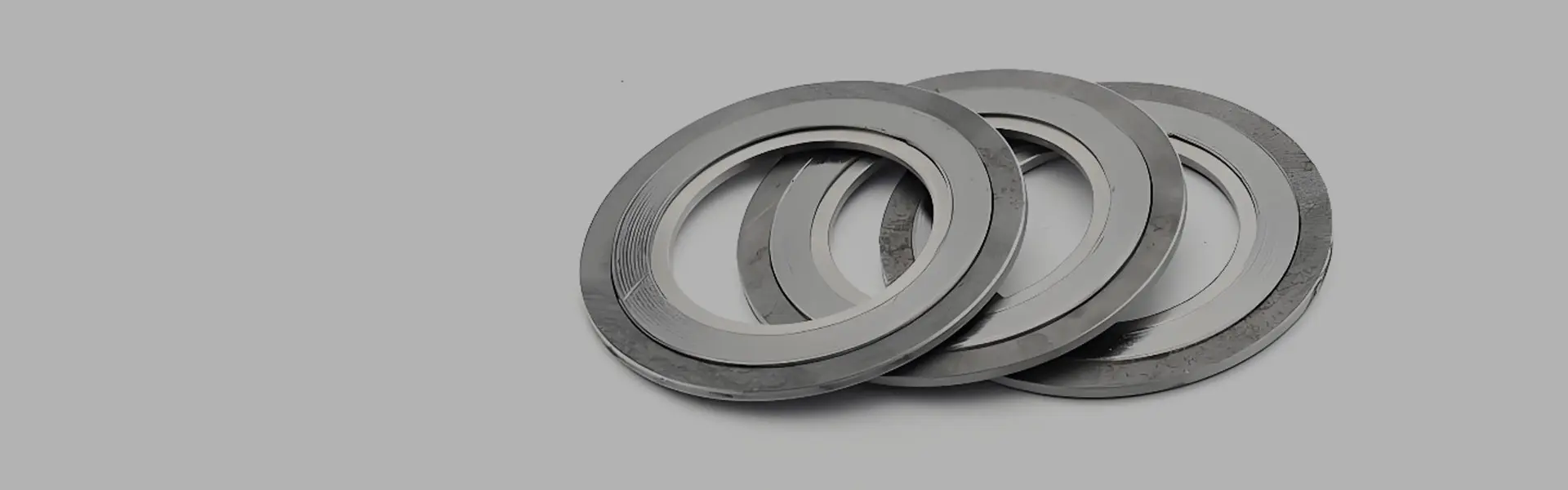
How to select the right ring joint gasket for high-pressure applications? This question is critical for engineers and procurement specialists working in demanding sectors like oil & gas, chemical processing, and power generation. A single gasket failure under immense pressure can lead to catastrophic leaks, unplanned downtime, and severe safety hazards. The selection process is not just about picking a part; it’s about ensuring system integrity, operational safety, and long-term cost-efficiency. This guide will walk you through the essential factors—from material compatibility and pressure ratings to surface finish and proper installation—to help you make an informed, reliable choice for your critical applications.
Article Outline:
Imagine a high-pressure steam line in a power plant. During a routine pressure surge, a standard gasket fails, causing a leak that forces an emergency shutdown. The cost? Hundreds of thousands in lost production and urgent repairs. The root cause often lies in selecting a gasket not rated for the peak operating conditions. For high-pressure applications, the ring joint gasket (RJG) is the preferred solution due to its metal-to-metal seal design. The key is matching the gasket to the specific pressure-temperature envelope of your system.
The solution involves a meticulous evaluation of two core elements: the gasket material and the ring number/size. Soft iron or low-carbon steel RJGs are common, but for higher temperatures and pressures, alloys like 316 stainless steel, Inconel 600, or Monel are necessary. The ring number (R/RX/BX) and size must correspond perfectly with the flange groove dimensions to create the required sealing force.

Critical parameters for selection in this scenario:
| Parameter | Consideration | Typical Options |
|---|---|---|
| Operating Pressure | Must exceed maximum system pressure with safety margin. | 15,000 psi and above |
| Operating Temperature | Material must retain strength and resist creep. | Up to 1000°F (538°C) for alloys |
| Gasket Material | Based on pressure, temperature, and medium. | Soft Iron, 316 SS, Inconel 600 |
| Ring Type & Number | Must match flange specification (API 6A, ASME B16.20). | R44, RX68, BX160 |
This is where partnering with a specialized manufacturer like Ningbo Kaxite Sealing Materials Co., Ltd. proves invaluable. They provide not just the gasket, but expert guidance to ensure the selected RJG is engineered to withstand your specific pressure and temperature extremes, preventing costly failures.
A chemical processing reactor handles a mixture of acids at high pressure. A gasket that works perfectly initially begins to show signs of pitting and corrosion within months, leading to gradual leakage and product contamination. The problem isn't pressure; it's chemical attack. In corrosive high-pressure services, the gasket material is the primary line of defense.
The solution requires a deep understanding of metallurgy and fluid compatibility. The gasket material must resist general corrosion, pitting, and stress corrosion cracking specific to the process media. While 316 stainless steel offers good general resistance, more aggressive environments demand nickel alloys (Monel, Inconel, Hastelloy). The selection process must also consider galvanic corrosion between the gasket and flange material.
Key selection matrix for corrosive applications:
| Process Media | Recommended Gasket Material | Key Property |
|---|---|---|
| Sulfuric Acid, general | Alloy 20 / Carpenter 20 | Excellent resistance to sulfuric acid |
| Chlorides, Seawater | Inconel 625, Hastelloy C276 | Resistance to pitting & chloride stress cracking |
| Caustic Soda (NaOH) | Nickel 200/201 | Excellent resistance to alkalis |
| High-Temperature H2S (Sour Service) | Inconel 718, Duplex Stainless Steels | Sulfide stress corrosion cracking resistance |
Navigating this complexity is a core strength of Ningbo Kaxite Sealing Materials Co., Ltd. Their technical team can analyze your service environment and recommend the optimal, cost-effective alloy to ensure sealing integrity and maximize gasket service life, directly addressing the procurement professional's need for reliability and total cost of ownership.
Q1: What is the fundamental difference between R, RX, and BX ring joint gasket types?
A1: The key difference lies in their sealing mechanism and application. R-style rings are octagonal or oval and seal through initial line contact that deforms under flange load. RX-style rings are a pressure-energized version of the R-ring, designed to maintain a seal even if flange load relaxes slightly. BX-style rings are used for higher pressures (typically per API 6A specification) and feature pressure-energized sealing with a different groove design. Selecting the right type is crucial for the safety and performance of your pressure-containing system.
Q2: How critical is the flange and gasket surface finish for a high-pressure seal?
A2: Extremely critical. For a metal ring joint gasket to seal properly, both the gasket surfaces and the flange groove sealing surfaces must have a very fine finish, typically 63 microinches (1.6 µm) Ra or better. A rough surface finish can create leakage paths, prevent uniform deformation of the gasket, and lead to premature failure. It is a non-negotiable part of the installation specification that procurement must communicate and quality control must verify.
We hope this guide on how to select the right ring joint gasket for high-pressure applications has been insightful. The correct selection is a multidisciplinary decision impacting safety, reliability, and cost.
For further details, technical datasheets, or to discuss your specific application requirements, please reach out to the experts at Ningbo Kaxite Sealing Materials Co., Ltd. With extensive experience in manufacturing high-integrity sealing solutions for the most demanding global industries, Kaxite provides not only premium API and ASME-compliant Ring Joint Gaskets but also the engineering support to ensure perfect fit and performance. Visit their website at https://www.kxt-sealing.com or contact their team directly via email at [email protected] for a consultation.
Bouzid, A., Chaaban, A., & Bazergui, A. (1995). The effect of gasket creep relaxation on the leakage tightness of bolted flanged joints. Journal of Pressure Vessel Technology, 117(1), 71-78.
Abid, M., & Nash, D. H. (2003). A comparative study of the sealing performance of bolted flange joints with gaskets using finite element analysis. International Journal of Pressure Vessels and Piping, 80(12), 879-885.
Bickford, J. H. (1995). An introduction to the design and behavior of bolted joints (3rd ed.). Marcel Dekker.
Payne, J. R., & Bazergui, A. (1990). Development of gasket factors and a new gasket test method. Journal of Pressure Vessel Technology, 112(2), 146-152.
Nagata, S., & Morohoshi, T. (1991). Leakage analysis of bolted flange joints with ring type gaskets. Bulletin of JSME, 34(258), 256-261.
Bouzid, A., & Derenne, M. (1997). The effect of gasket thickness and compressibility on the sealing behavior of bolted flanged connections. Journal of Pressure Vessel Technology, 119(1), 103-108.
Brown, W. F., & Swift, D. G. (1990). The influence of surface finish on the sealing capability of ring joint gaskets. Sealing Technology, 1990(12), 7-10.
Singiresu, S. R. (2010). Finite element analysis of bolted joint integrity under thermal cycling. Engineering Failure Analysis, 17(5), 1184-1195.
ASME Boiler and Pressure Vessel Code, Section VIII, Division 1. (2021). Rules for construction of pressure vessels. The American Society of Mechanical Engineers.
API Specification 6A. (2021). Wellhead and christmas tree equipment (21st ed.). American Petroleum Institute.
Copyright © 2015-2025 Ningbo Kaxite Sealing Materials Co., Ltd. All Rights Reserved.


