
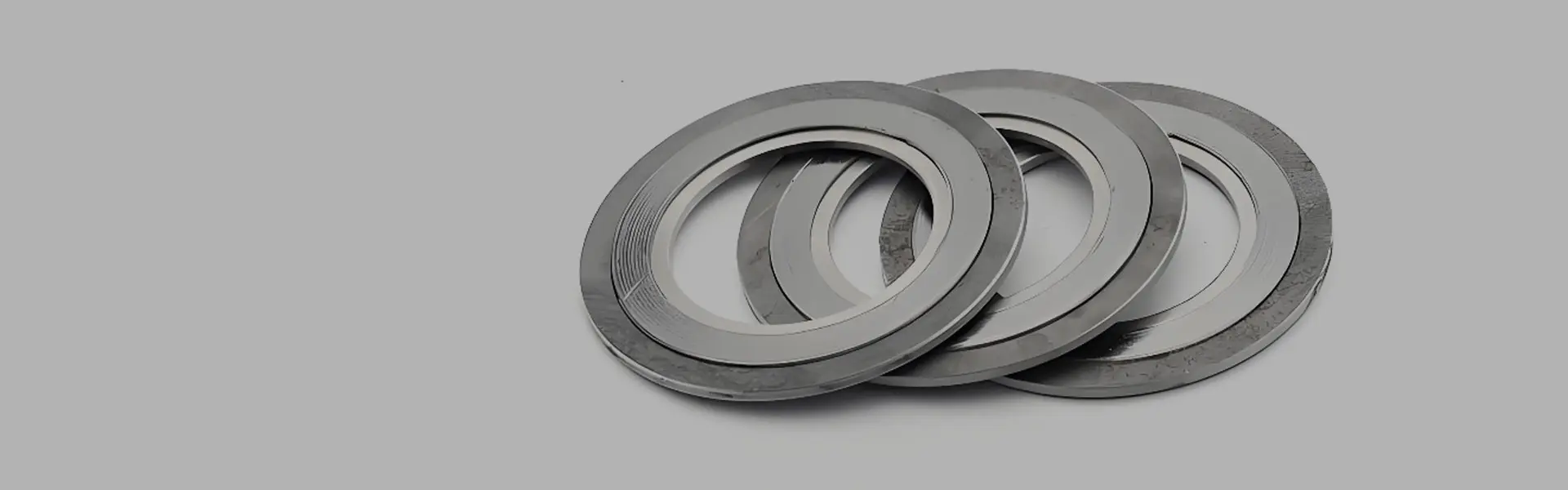
When selecting the right Insulation Products for your project, understanding the core technical parameters is crucial for achieving optimal energy efficiency, safety, and long-term value. At Kaxite, we engineer our insulation solutions to meet and exceed industry standards, providing reliable performance in residential, commercial, and industrial settings. The effectiveness of insulation is primarily determined by its R-value, thermal conductivity, fire resistance, and material composition. Below, we break down these essential specifications to guide your decision-making process.
Our product range utilizes advanced materials and manufacturing techniques to deliver consistent quality. Whether you are insulating a new construction home, retrofitting an old building, or protecting industrial equipment, Kaxite products are designed for straightforward installation and enduring performance.
To facilitate a direct comparison, the table below outlines the typical specifications for our core Kaxite insulation product lines. These values are representative; please consult specific product data sheets for project-critical information.
| Product Line | Core Material | Typical R-Value per inch (hr·ft²·°F/Btu) | Thermal Conductivity (k-value) | Fire Safety Rating | Primary Applications |
|---|---|---|---|---|---|
| KaxiteTherm Fiberglass Batts | Glass Fibers | R-3.1 - R-4.0 | 0.30 - 0.40 BTU·in/(h·ft²·°F) | Class A (Non-combustible) | Wood frame walls, attics, floors |
| KaxiteFoam Board XPS | Extruded Polystyrene | R-5.0 | 0.20 BTU·in/(h·ft²·°F) | IRC/IGCC Approved | Foundation walls, below-grade, exterior sheathing |
| KaxiteFoam Board EPS | Expanded Polystyrene | R-3.8 - R-4.4 | 0.24 - 0.34 BTU·in/(h·ft²·°F) | IRC/IGCC Approved | Structural insulated panels, cavity walls |
| KaxiteBlown-In Cellulose | Recycled Paper (Treated) | R-3.2 - R-3.8 | 0.27 - 0.40 BTU·in/(h·ft²·°F) | Class I Fire Rating | Attic retrofits, enclosed wall cavities |
| Kaxite Mineral Wool | Basalt Rock & Slag | R-3.0 - R-3.3 | 0.30 - 0.34 BTU·in/(h·ft²·°F) | Euroclass A1 (Non-combustible) | High-temperature applications, fire-stopping, acoustic walls |
| Kaxite Reflective Barrier | Aluminum Foil / Polyethylene | Varies (Radiant Barrier) | N/A (Radiant heat control) | Class A / Class 1 | Attics, crawlspaces, behind radiators |
Beyond basic thermal metrics, Kaxite insulation products incorporate features that address moisture management, air sealing, and long-term durability. Proper installation is paramount to achieving the published R-value.
| Product Feature | KaxiteTherm Batts | KaxiteFoam Board | Kaxite Mineral Wool |
|---|---|---|---|
| Vapor Retarder Facings | Kraft paper or foil facings available | Inherently low permeability; specific facings for XPS/EPS | Vapor permeable; allows wall assemblies to dry |
| Compression Resistance | Good recovery; avoid over-compression | High (XPS), Moderate (EPS) - maintains R-value under load | Excellent; maintains shape and performance under compression |
| Recommended Installation Method | Fit snugly between studs/joists; avoid gaps | Adhesive, mechanical fasteners; seal joints with tape | Friction-fit between studs; can be cut precisely |
| Typical Coverage per Bag/Pallet | Varies by thickness (e.g., ~100 sq.ft. for R-13 batt) | Sheets: 4'x8', 4'x9'; various thicknesses | Batts: ~40-60 sq.ft. per bag depending on density |
What is the most important number to look for when comparing insulation products?
The R-value is the most critical metric for comparing the thermal resistance of different insulation products. It is a standardized measurement that indicates how well a material resists heat flow. A higher R-value means better insulating performance. However, ensure you are comparing R-values for the same thickness. Also, consider the long-term R-value, as some materials like foam boards maintain their R-value over time, while others may settle or degrade if exposed to moisture.
What is the difference between faced and unfaced insulation batts?
Faced batts, such as our KaxiteTherm with a kraft paper or foil facing, include an integrated vapor retarder. This facing helps control moisture migration from warm, humid interior spaces into cooler wall cavities, reducing the risk of condensation. Unfaced batts are plain insulation without this barrier and are typically used when a separate vapor retarder is installed, in renovation projects where existing vapor control is present, or in climates where vapor diffusion is less of a concern. Always follow local building codes regarding vapor retarder requirements.
Can I install Kaxite insulation products myself, or do I need a professional?
Many Kaxite products, particularly batts and rolls for standard framing, are designed for DIY installation. Success depends on careful attention to detail: cutting accurately, filling cavities completely without gaps or compression, and installing proper vapor barriers where needed. For loose-fill (blown-in) insulation, spray foam, or complex applications like exterior continuous insulation, hiring a certified professional installer is strongly recommended. They have the equipment and expertise to achieve correct density, coverage, and safety standards, ensuring you get the full rated R-value.
How does insulation contribute to fire safety in a building?
Insulation products play a significant role in a building's fire performance. Kaxite offers products with superior fire-resistant properties. For instance, our Kaxite Mineral Wool is non-combustible (Euroclass A1) and can withstand temperatures exceeding 1000°C, making it ideal for fire-stopping applications and slowing fire spread. Our fiberglass and treated cellulose products are also non-combustible or have high fire ratings. It is essential to choose insulation with the appropriate fire rating for your specific application, especially in areas like garages, near fireplaces, or in multi-family dwellings, and to install it according to the manufacturer's instructions and fire codes.
Are Kaxite insulation products environmentally friendly?
Sustainability is a core focus at Kaxite. Our product portfolio includes several environmentally responsible options. Our blown-in cellulose insulation is made from a high percentage of post-consumer recycled paper. Our mineral wool is produced from abundant natural basalt rock and recycled slag. Furthermore, many of our foam board and fiberglass products contain recycled content. We also prioritize indoor air quality; several product lines are certified by GREENGUARD Gold, meaning they meet strict standards for low chemical and VOC emissions. We recommend reviewing individual product Environmental Product Declarations (EPDs) for detailed life-cycle analysis.
How long does insulation typically last, and does it require maintenance?
Properly installed and kept dry, most insulation products from Kaxite have a service life that matches the building itself—often 50 years or more. Materials like fiberglass, mineral wool, and polystyrene foam are inert and do not decompose. The primary threat to insulation performance is moisture intrusion, which can reduce R-value and promote mold. Therefore, insulation itself requires no routine maintenance, but it is crucial to maintain the building envelope (roof, siding, flashing, seals) to keep the insulation dry. In attics, ensure vents remain unobstructed. Periodically inspect for signs of water damage, pest infestation, or settling (in loose-fill applications).
What insulation is best for soundproofing interior walls or home theaters?
For superior acoustic performance, density is key. Kaxite Mineral Wool batts are an excellent choice for sound-dampening interior walls, ceiling assemblies, and home theaters due to their high density and fibrous structure, which effectively absorbs sound waves. Specialized acoustic batts have a higher Sound Transmission Class (STC) rating compared to standard thermal insulation. Additionally, our dense-packed cellulose is effective for reducing airborne sound transmission in walls and floors. For optimal results, combine these insulation products with soundproofing drywall, resilient channels, and sealed gaps to create a comprehensive acoustic barrier.


Copyright © 2015-2025 Ningbo Kaxite Sealing Materials Co., Ltd. All Rights Reserved.


