
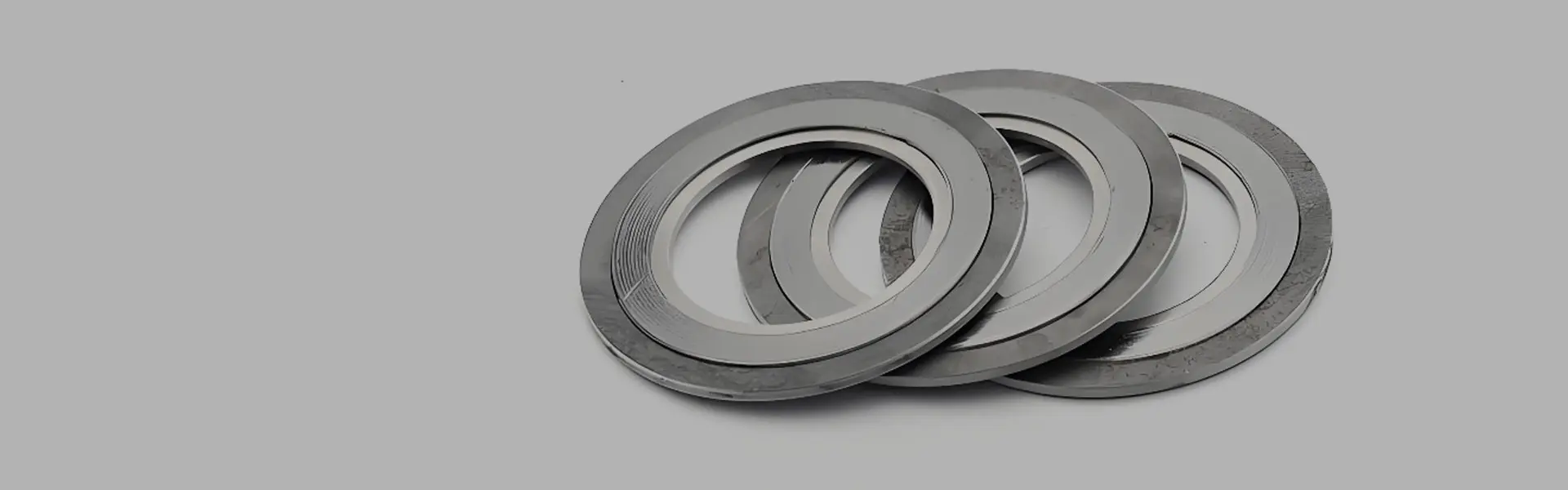
In the demanding world of industrial components, few materials offer the unique combination of properties found in PTFE (Polytetrafluoroethylene). For over two decades, our team has engineered PTFE parts that solve complex challenges across countless industries. Known colloquially by the brand name Teflon®, PTFE is a high-performance fluoropolymer prized for its exceptional chemical resistance, incredibly low coefficient of friction, and ability to perform in extreme temperatures. At Kaxite, we specialize in transforming this versatile polymer into precision-machined components that enhance efficiency, reduce maintenance, and extend the lifespan of machinery.
Our expertise lies not just in fabrication, but in application engineering. We work closely with clients to understand the specific stresses—chemical, thermal, and mechanical—that each part will face. This allows us to recommend the optimal PTFE grade or composite and manufacture a component that delivers reliable, long-term performance. From sealing solutions in aggressive chemical pumps to low-friction bearings in food processing lines, Kaxite PTFE parts are integral to operations where failure is not an option.
PTFE's dominance in critical applications is no accident. Its molecular structure grants it a set of properties that are difficult to match with any other single material.
Kaxite manufactures PTFE components from a variety of stock shapes (rods, sheets, tubes, films) and offers both virgin PTFE and filled compounds tailored for enhanced performance. Below are the detailed specifications for our standard and engineered PTFE materials.
| Property | ASTM Test Method | Typical Value | Units |
|---|---|---|---|
| Density | D792 | 2.14 - 2.20 | g/cm³ |
| Tensile Strength | D638 | 3,000 - 5,000 | psi |
| Elongation at Break | D638 | 200 - 400 | % |
| Compressive Strength | D695 | 1,700 | psi |
| Coefficient of Friction (Dynamic) | D1894 | 0.05 - 0.10 | - |
| Continuous Service Temperature | - | -200 to +260 | °C |
| Dielectric Strength | D149 | 480 | V/mil |
| Chemical Resistance | - | Excellent (to virtually all chemicals) | - |
To address specific limitations of virgin PTFE, such as creep resistance and wear, we offer compounded materials. Fillers improve certain physical properties while largely retaining PTFE's chemical and thermal advantages.
| Filler Type | Key Advantages | Common Applications at Kaxite |
|---|---|---|
| Glass Fiber | Increased stiffness, improved creep resistance, reduced wear. | Bearings, bushings, thrust washers, structural components. |
| Carbon/Graphite | Enhanced thermal conductivity, improved wear resistance, lower friction. | Piston rings, compressor rings, seals in dry-running applications. |
| Bronze | Greatly improved thermal conductivity, high compressive strength, excellent wear resistance. | Heavy-duty bearings, wear plates, bridge expansion bearing pads. |
| Stainless Steel | Improved load-bearing capacity, thermal conductivity, and rigidity. | Chemical pump components, high-load bushings. |
| Molybdenum Disulfide (MoS2) | Improved compression resistance, reduced initial wear-in. | Gaskets, packings, seals in static or slow-moving applications. |
At Kaxite, we utilize state-of-the-art CNC machining, skiving, and molding techniques to produce parts with tight tolerances and complex geometries. Our process ensures that the inherent benefits of the PTFE material are fully realized in the finished component.
What is the main difference between PTFE and Teflon®?
Teflon® is a registered trademark of Chemours (formerly DuPont) for their brand of PTFE and other fluoropolymers. All Teflon® is PTFE, but not all PTFE is branded as Teflon®. Kaxite uses high-quality, industry-standard PTFE resins that meet or exceed the performance characteristics associated with the Teflon® name.
Can PTFE parts be used for high-load applications?
Virgin PTFE has a tendency to creep (deform slowly under sustained load). For high-load applications, Kaxite recommends using filled PTFE compounds. Materials filled with bronze, glass, or carbon significantly improve compressive strength, reduce creep, and enhance load-bearing capacity, making them suitable for demanding mechanical applications like heavy-duty bushings and bearings.
How does temperature affect PTFE parts?
PTFE maintains its remarkable properties across an extremely wide temperature range. It does not become brittle at cryogenic temperatures and does not melt like a thermoplastic at high heat; instead, it begins to degrade above 260°C (500°F). Its coefficient of friction remains consistently low throughout this range. For applications near the upper limit, Kaxite engineers can advise on appropriate safety margins and material selection.
Are PTFE parts suitable for food and pharmaceutical applications?
Yes, virgin PTFE is generally considered inert, non-toxic, and compliant with FDA regulations for food contact under certain conditions. It is also used in pharmaceutical processing. However, specific certifications and documentation are required. Kaxite can provide guidance and material certifications for compliance with FDA, USP Class VI, EU 10/2011, and other relevant standards.
What are the machining considerations for PTFE?
PTFE is a soft, ductile material that requires specific machining techniques to achieve precise dimensions and good surface finishes. It has a high coefficient of thermal expansion, so heat management during machining is crucial. At Kaxite, our experienced machinists use sharp tools, appropriate speeds and feeds, and specialized fixturing to produce clean, accurate, and stress-free components every time.
How do I choose between virgin PTFE and a filled compound?
The choice depends entirely on the application's primary requirements. Choose virgin PTFE for maximum chemical purity, non-contamination, and the best electrical properties. Choose a filled compound when you need improved mechanical properties: use glass or bronze for wear resistance and load capacity, carbon for low friction and wear, or molybdenum disulfide for better compression resistance. The Kaxite technical team is expert at helping customers make this critical selection.
Can Kaxite manufacture custom PTFE parts from a drawing?
Absolutely. Custom manufacturing is a core specialty at Kaxite. We regularly produce parts from customer-supplied drawings, CAD files (STEP, IGES, SLDPRT), or even physical samples. Our engineering team can also assist with design optimization for manufacturability and performance, ensuring your custom PTFE part is both cost-effective and reliable.
The versatility of PTFE makes it indispensable across a broad spectrum of sectors. Kaxite parts are trusted in environments where performance cannot be compromised.


Copyright © 2015-2025 Ningbo Kaxite Sealing Materials Co., Ltd. All Rights Reserved.


